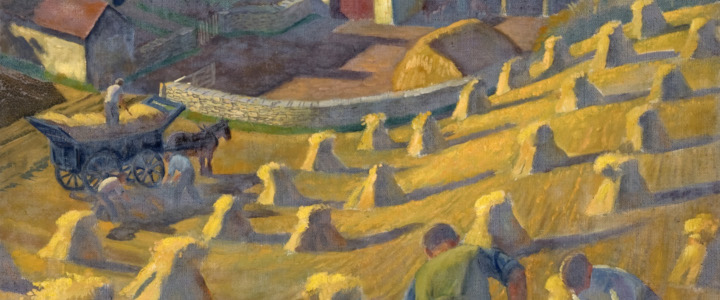
"The kingdom of God is as if a man should scatter seed on the ground, and should sleep by night and rise by day, and the seed should sprout and grow, he himself knows not how. For the earth yields crops by itself; first the blade, then the head, and after that the full grain in the head. But when the grain ripens, immediately he puts in the sickle, because the harvest has come." (Mark 4:26-29)
As we rapidly approach Autumn with hopes of an end to this historic drought, we look at the theme of harvest and the annual feasts which the Children of Israel were commanded to observe and how they reflect aspects of our spiritual growth!
There were three feasts that the Israelites were given to celebrate the Lord for His many blessings. They were to offer thanksgiving for the natural bounty produced in the earth's soil, and so they brought the actual fruit of their labour to the tabernacle, in recognition of the Lord's work in all of it. Little did they know that the fruit offerings and festivals also represented the spiritual benefits we receive from the Lord, by learning to live by the His truth.
Being aware of the spiritual meaning of these festivals, our celebration and thanksgiving can also involve the fruit of regeneration, which is what we often call 'spiritual growth'. Of course we can still praise the Lord for His natural blessings, but our minds really should turn to something higher and rise above earthly things, to give thanks for the blessings which transcend the life of our bodies – blessings which belong to the eternal life of our spirit.
All spiritual blessings begin as little seeds of truth from the Lord. They need to be planted into our good intentions and grow, by practice, into their full flavour and potency, as works of useful service. Good works – genuine kindness and the humble willingness to serve others, are the fruits of our labour. And what is even more wonderful is that this same progress and process does the work of delivering us from the grips of hell and introduces us to the life of heaven!
These feasts were first observed upon the liberation of the Israelites from Egypt, on their journey through the wilderness toward the Promised Land. The Feast of the Passover was kept at the time of planting, in the Spring of the year. It represented the first implantation of truth in people's minds and also their deliverance from false ideas, which is why this feast was also called the Feast of Unleavened Bread, signifying this purification from false ideas.
The next feast was the Feast of Firstfruits and was first observed fifty days after the Exodus, as the Israelites came to Mount Sinai, where the Ten Commandments were given as the first fruits of the Israelitish Church. And so this second feast represented a second stage of regeneration, when the truth is implanted in good and brings forth its first fruits in heavenly affection and good intentions.
The third feast, the Feast of Ingathering, was kept at the time of harvest and represented the third stage of progress in regeneration, when goods are implanted in our will and show forth in the good works we do. It was also called the Feast of Tabernacles because it was instituted when the tabernacle was first erected.
It is easy to think that we should only celebrate the harvest itself – only give thanks for the good works themselves when they are completed – but given these prescriptions for three feasts in the Word, it implies that we should notice our progress and celebrate it at each phase! At each stage of our progress in regeneration we should allow ourselves to be moved with gratitude to the Lord! For this work is nothing but a succession of states whereby we are liberated from hell and introduced into heaven. O give thanks to the Lord of harvest!
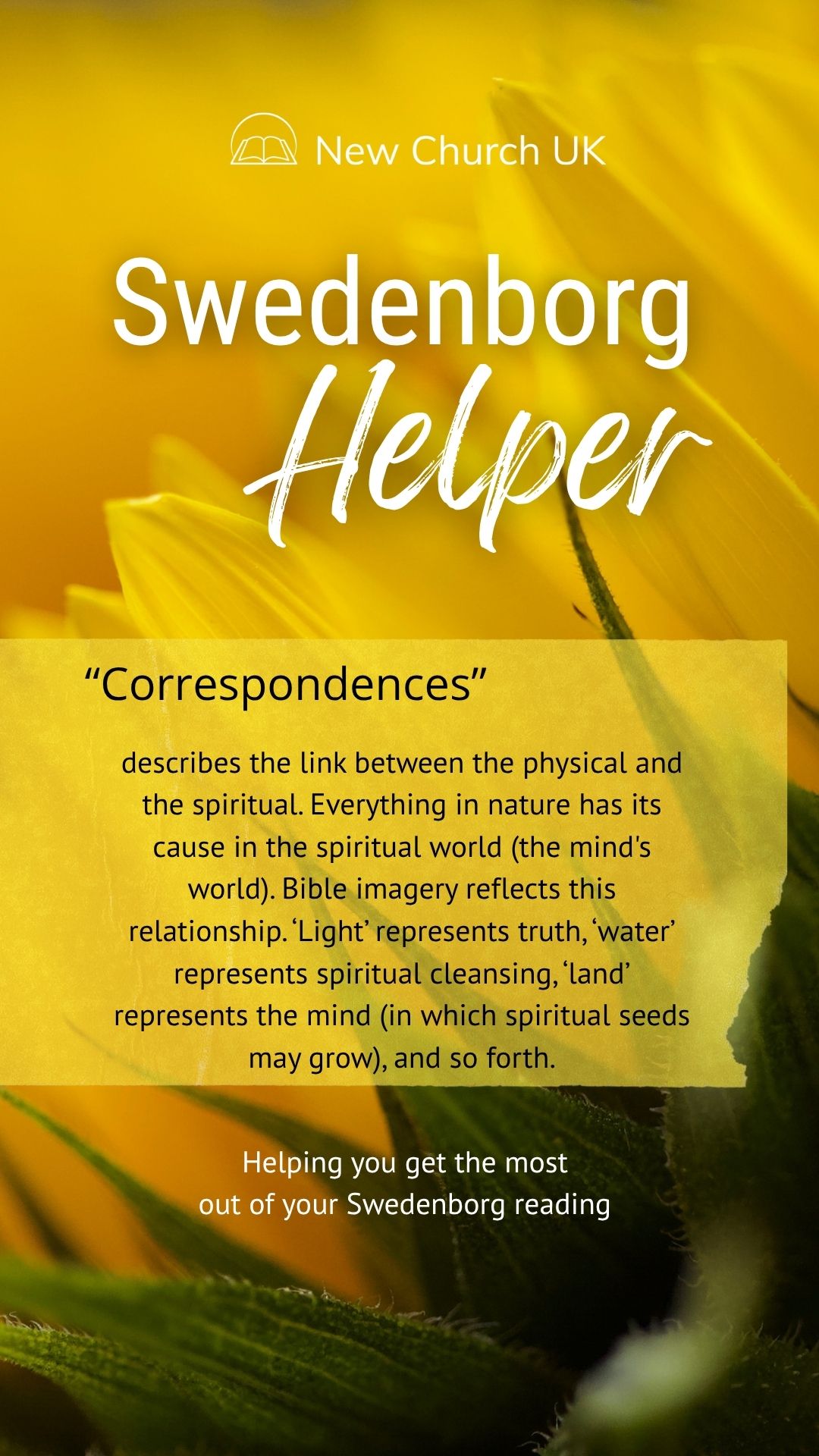
[People can be compared to a field and seedtime, the Lord's Word to seed and what the seed accomplishes to produce or harvest.] In general this refers to all people. No one ever fails to have seed from the Lord sown within them, no matter whether they are inside the Church or outside of it, that is, whether they know the Lord's Word or whether they do not. Without this implanting of seed from the Lord nobody can do the least good thing. Every good that stems from charity... is seed obtained from the Lord. (See Arcana Caelestia 932)